Horse's Mouth
Garden FinanceHorse's Mouth was a study-abroad marketplace: prospective students booked one-to-one video calls
with alumni already at the universities they were applying to. Acquired by Yocket in January 2025.
Horse's Mouth was a two-sided marketplace, and the alumni side was the constraint. Students didn't arrive browsing. They came with target universities already in mind, and they wanted to talk to alumni from those exact universities. If we had nobody from a student's shortlist, that student was usually lost. We'd suggest comparable universities, but it isn't the same thing as talking to someone who went where you're trying to go. Alumni were the supply side and students the demand, and I worked both: onboarding the alumni and running the marketing that brought the students in.
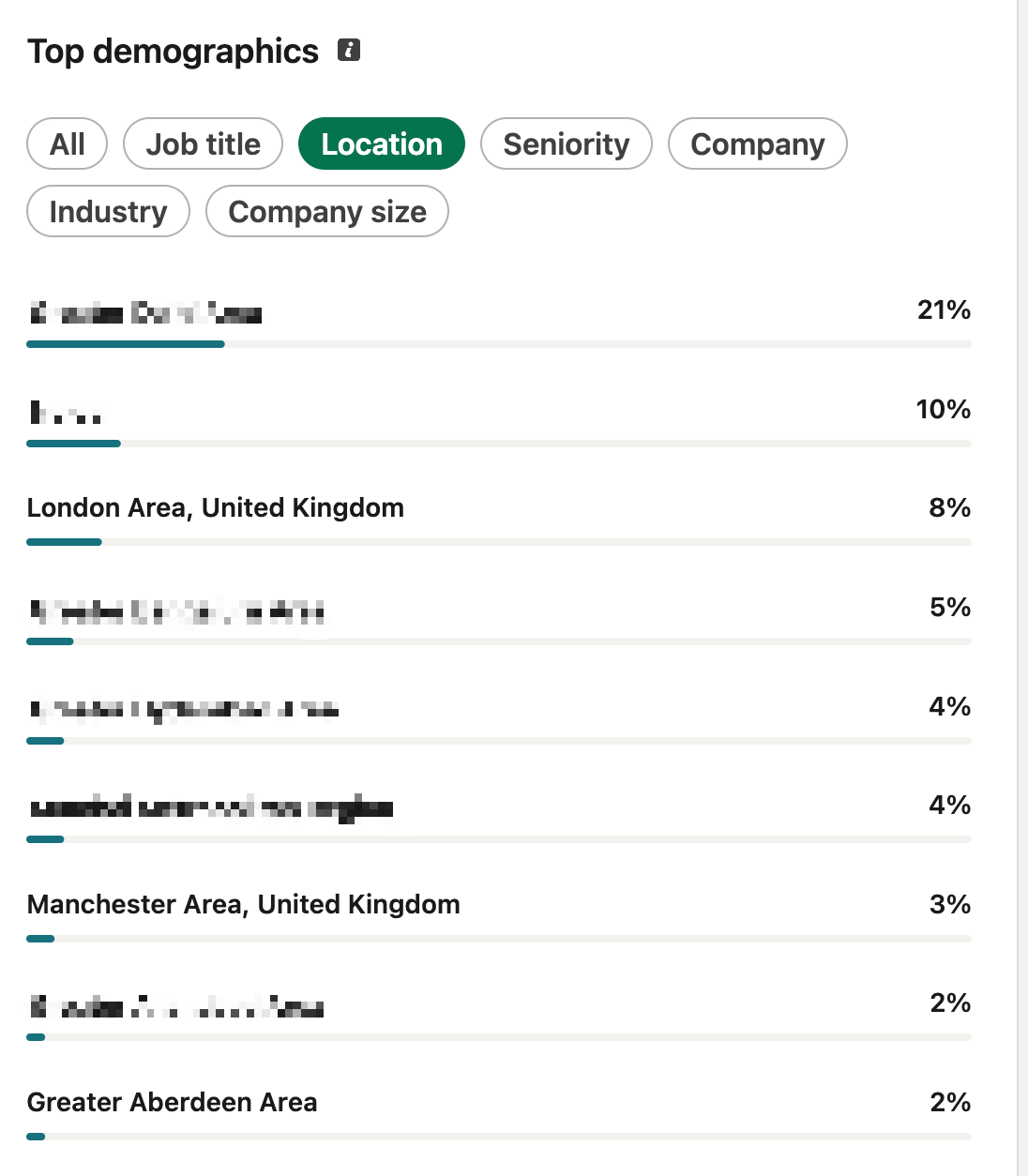
We started with the UK because it's the top destination for students from India, Pakistan, Nepal, Bangladesh and Sri Lanka, which was our core market. Once that base existed, the network widened outward from it.
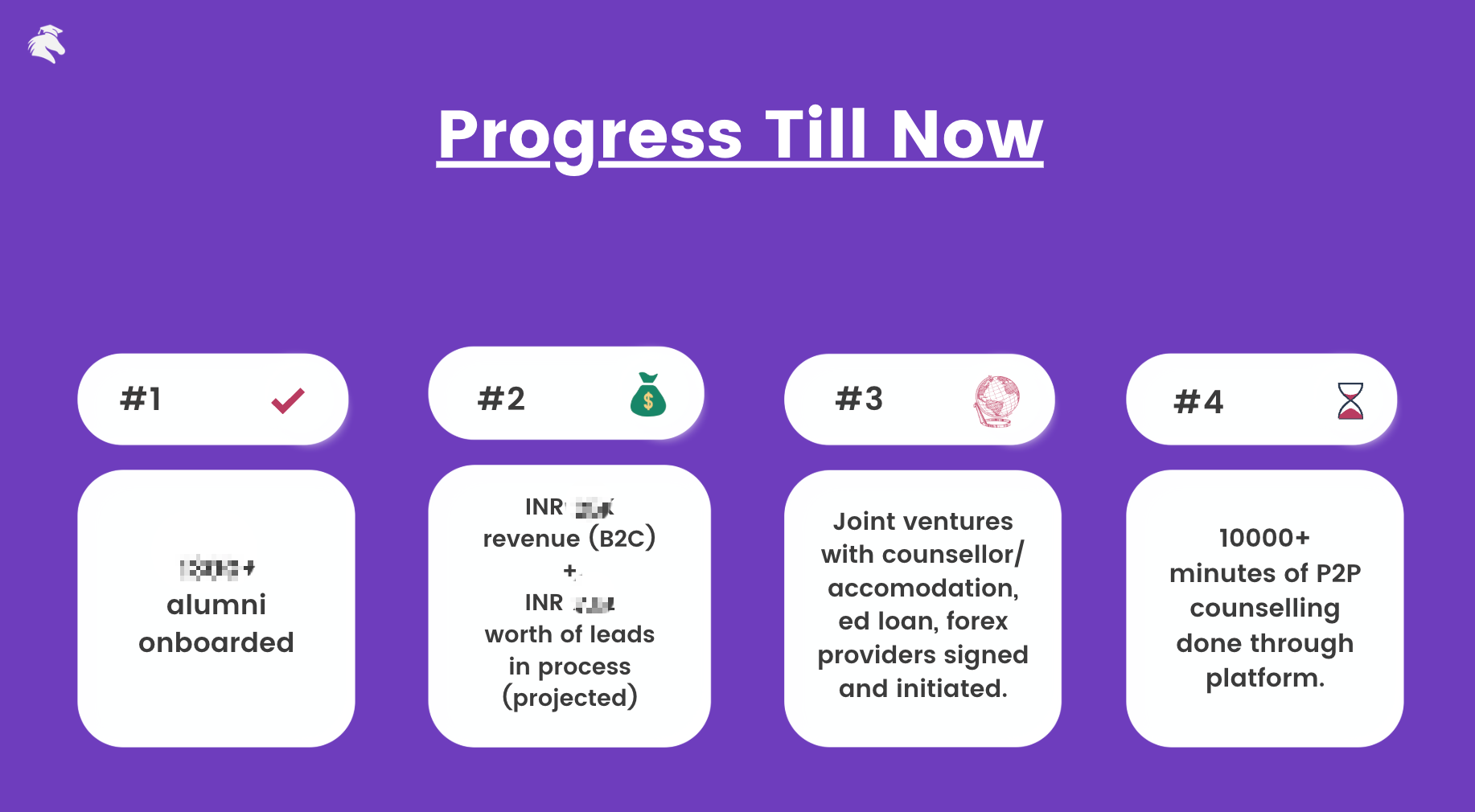
The network reached 3,000+ alumni in total. I was directly responsible for 1,000 of those, across 20+ countries — roughly 600 through two influencer campaigns and the rest through one-to-one outreach before and after them. The biggest markets were the UK, US, New Zealand, Australia, Germany, France, Japan, Canada and Poland, plus a growing Southeast Asia cluster.
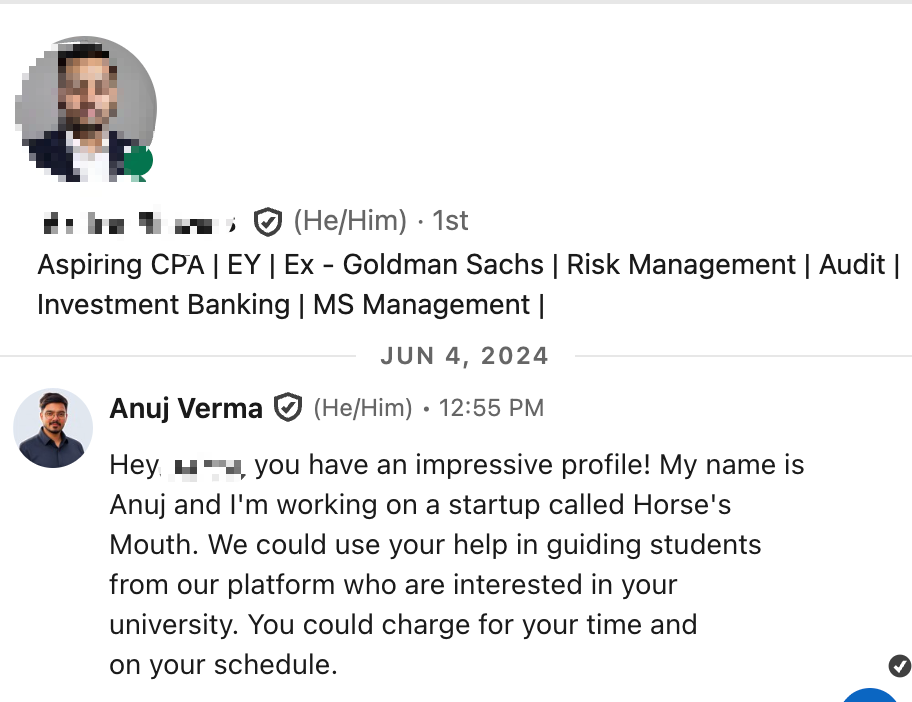
The process was research first, outreach second. I'd work through a university's alumni ecosystem and use targeted LinkedIn research to find people whose course and career actually matched what students on our list were asking about, then approach them on LinkedIn. Most didn't reply the first time, and the follow-up is where the conversions came from. We streamlined onboarding so that becoming a mentor took under two minutes. Coverage of the universities people were actually applying to was the real target.
A booked session isn't a delivered one. Once a student was booked, both sides had to actually turn up, and they were usually in different time zones.
One of my main responsibilities was making sure the sessions actually happened. We had automatic reminders going to both students and mentors over email and WhatsApp, but the absence rate was still there — either our video calling software failed, or a session needed rescheduling and the communication didn't happen.
I added my own WhatsApp reminders and phone calls to both sides before every session, which cut the no-show rate sharply — and made every booking depend on someone chasing it through reminders, technical faults and rescheduling. At the peak, that was 50 bookings a day moving through that cycle, and it held for more than a week straight.
The harder part was failure. Our video tool was unreliable and often one side or both couldn't get in, so I'd reach both people and either spin up a Google Meet on the spot or find a new slot that worked across their two time zones. That was the actual job — not scheduling, but recovering sessions about to be lost.
5,000 minutes of sessions completed during my nine to ten months; the company's lifetime total was over 10,000. Bookings ran higher than completions, and closing that gap is what this work existed to do. Logged-in users went into the sales funnel and the leads went through to our sales person.
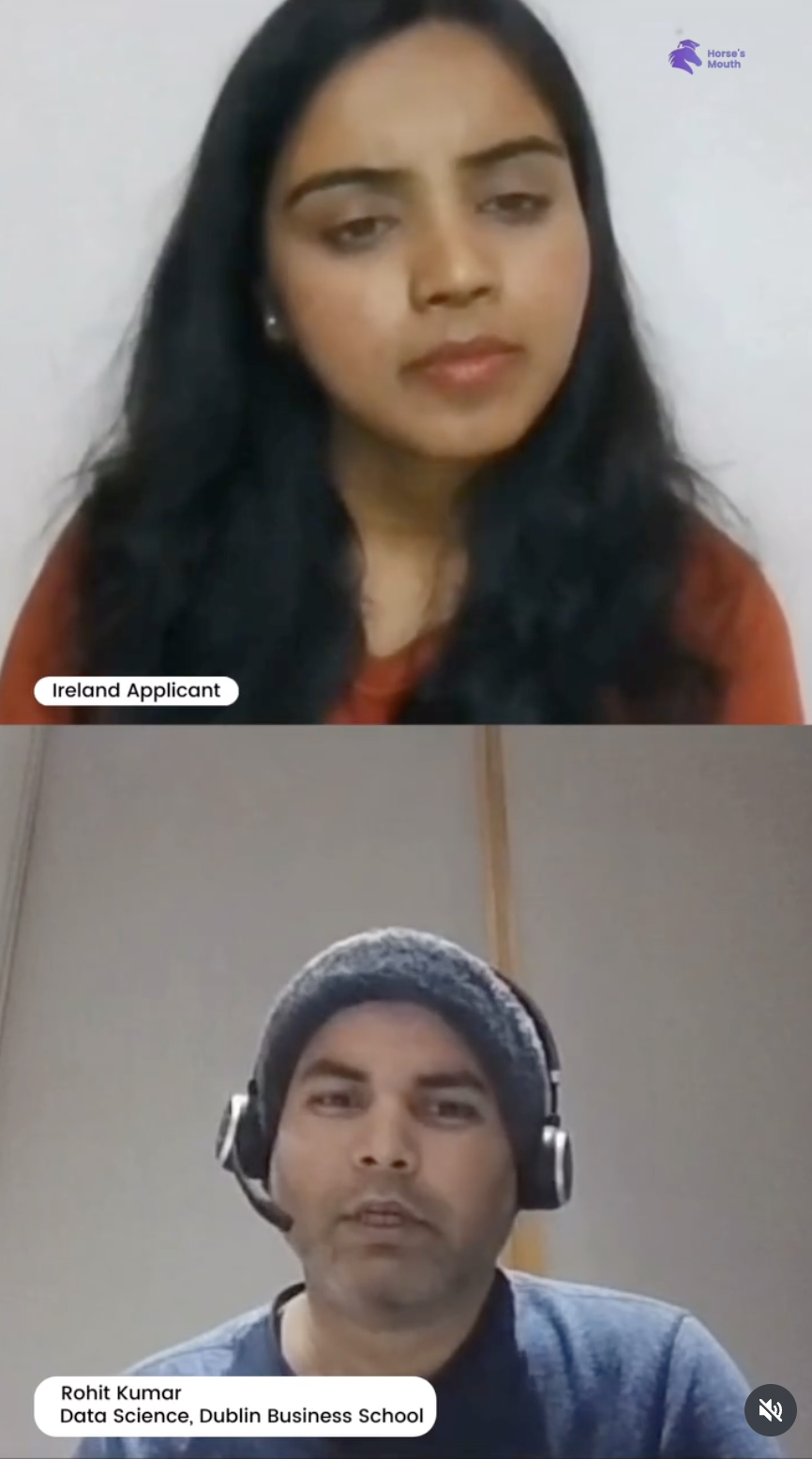
The company was four people — the founder, a tech lead, one salesperson, and me on operations and marketing. On a team that size, you end up in rooms an intern normally doesn't.
I represented Horse's Mouth at an investor meetup at the IIT Roorkee incubator, where we were based, having conversations about our model with several investors. I followed up with a few afterwards and got their read on it, which was more useful than the pitch had been.
For the raise, the founder and I built the deck, and I worked the numbers: CAC, revenue, monthly active users, alumni count and its country spread, runway, unit economics, plus the argument that we had built an unconventional go-to-market in a very conventional market. Our CAC came in well under the far bigger players in it. We also worked up what the whole machine was worth. It was my first actual valuation of a business in real life.
To take it up a level, I wrote the acquisition plan, two of them, because there were two ways in. Plan A was carpet-style coverage of the world's top 50 universities, Ivy League included: pull the current students and alumni for each, then run targeted LinkedIn outreach through automation software. We weren't guessing at the yield, because we already had our own numbers on how many we reached against how many actually onboarded. I also wanted brand ambassadors inside those universities' clubs and societies, responsible for bringing alumni across, so we covered the spread of degrees and specialisations rather than whoever we happened to catch.
Plan B was influencer-led, 80% influencer marketing, 20% one-to-one outreach, with one or two creators per country making videos aimed at students of the universities there. We could identify them almost everywhere outside China and a few Southeast Asian markets, and our own past conversion rates set the onboarding flow rather than an assumption. Both plans went in with unit economics, past data analysis, influencer research, content ideas, and a full cost.
The situation changed, and instead of raising, we were acqui-hired by Yocket, the fifth-largest study-abroad company in India. The co-founder and the tech lead chose to get hired, and by the time the transaction went through I'd already been placed through my college placement that January, so I didn't go across.